 The Queen
Like so many of us with high blood pressure, my story starts in my family line.
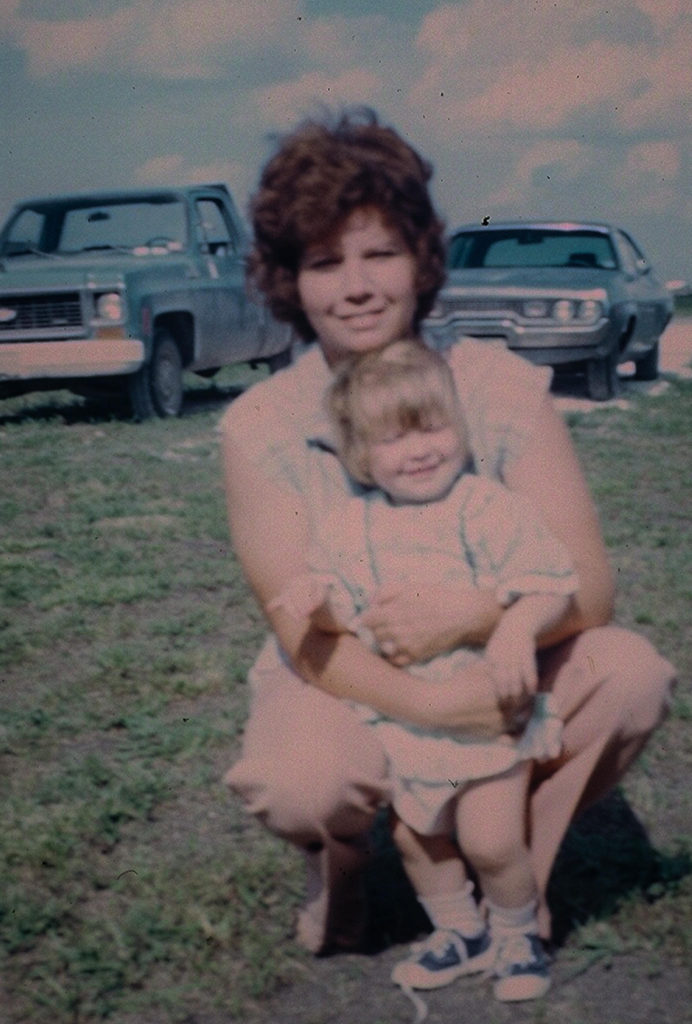
In addition to her blue-grey eyes, my mother also passed onto me her hormone imbalance, sugar intolerance and hypertension. I started paying attention to these in my 30’s, when I started having immune problems.
I’d always been active. I ate relatively well and attended yoga classes twice a week. I considered myself a healthy-ish person. But I noticed I had become increasingly susceptible to strep throat.
I joked that if anyone within a five-mile radius had strep throat, I would contract it.
Then, one cold and rainy Saturday, sitting on the paper-covered table at an urgent care clinic, it became less funny. A young doctor looked at me with fear in her eyes and said, “I don’t know what to prescribe you.” Because I’d had strep throat so many times in the past year, I’d become immune to amoxicillin, the antibiotic typically prescribed for strep. And I was allergic to two other common antibiotics. My options were running thin. I don’t know if you’ve ever seen fear in a doctor’s eyes as they look from your chart to you and then back again. But let me tell you, it’s terrifying.
I had also taken so many antibiotics lately, that I’d become prone to increasingly more severe yeast infections. Over-the-counter remedies for the yeast were no longer working, and I’d had to resort to prescriptions for those medications. At that moment, it occurred to me that perhaps I was becoming increasingly immune to those remedies as well.
I felt like a train precariously clinging to the rails, barreling toward a crash.
Even more disconcerting was the recurring “stress fevers” (my term, for lack of a better one), which were happening every three months or so. I could feel it coming, like poison gathering in my shoulders, the place my stress hormones typically gather. When the poison moved upward, reaching the back of my neck, I was slammed with a fever and debilitating body aches. It felt like repeatedly getting the flu, but the doctor swabbed my nose several times and found I did not, in fact, have the flu. The only thing that helped was extended periods of sleep. And a full-time working mom of two boys under the age of ten cannot sleep for 24 hours every few months. It’s just not feasible.
“You have a weakened immune system,” said my primary care physician, “likely caused by stress.” He ratified with further test results that nothing else was “off” and that I was a perfectly healthy woman in my 30s with slightly higher blood pressure than normal, who was sick A LOT more than normal.
His recommendation?
“Stress less.”
Seriously. That’s what he said.
How could anyone – especially a medical professional – think it was that easy? I was already in regular yoga classes. I journaled on a semi-regular basis and enjoyed other creative outlets. Spoke my mind when I was hurt or angry. What else could I do to relieve stress in my life? And fix this illness that seemed to be running my train off the rails?
I needed actionable medical advice.
A quick Google search on stress relief led me to researching Traditional Chinese Medicine (TCM). It was not something I was eager to try – no one wakes up and says, “I think I want needles stuck into my body from head to toe today.” But I needed to try something new. The first time I met with my acupuncturist, I felt hopeful. She listened carefully to my concerns, explained how TCM worked and suggested a functional plan. She also inquired about my menstrual cycle. She wanted to know how severe my cramps were, how heavy my flow and how regular my cycle.
She told me that hormone regulation has a lot to do with the body’s immune system and stress response.
Through working with my acupuncturist, the two of us discovered that, while stress was definitely a factor working against me, my body was also deficient in certain vitamins that could be replenished through herbal treatments.
We also discovered that my mother’s hormone imbalance had passed on to me. I talked to my mom and she described some of the same symptoms that started happening to her when she was my age. Her doctor had put her on hormone therapy treatment, and she’d been on those drugs for 30 years. She’d also been taking medicines for high blood pressure and anxiety since her 30’s.
It is not my intention to judge my mother or anyone else who takes pharmaceuticals to ease the pain and stress of hormone imbalance, anxiety, blood pressure, or anything else.
I support everyone’s right to make their own choices about their own bodies.
But I felt like my path was going to be different. Western medicine wasn’t working for this particular situation anymore. My body was already responding well to the more gentle therapies of TCM. My train was starting to feel like it was gliding back on the track.
I had also started getting regular massage treatments. Up until that point, I had thought of massage as a luxury, a day of treating oneself for a birthday or some other special occasion. But the first time I got a massage during one of my “stress fevers,” it felt like the best possible thing I could do for my health in that moment. So I made it a monthly ritual. Don’t get me wrong, monthly massage and TCM was expensive. But I shifted my viewpoint on it from a luxury item to an investment in my health and future. And budgeted for it accordingly.
While I started to feel the effects right away, it took about six months of regular acupuncture, massage and herbal treatments to get me to a place where I was strep, yeast and – most importantly – antibiotic and stress fever-free.
I stayed that way for three years.
Healthy, happy, antibiotic free. I still got stressed and rundown sometimes (I mean, life), but the symptoms no longer took over my life and ravaged my body. I was blissfully removed from the cycle of illness to which I had grown accustomed. And – an unexpected bonus – my menstrual cramps had eased, and my skin – which had always been troubled – cleared as well.
Alleviating the pressure of this cycle of illness, however, allowed me the space to tune in to other cues in my body, which revealed something much more frightening.
One morning, I was at a fitness bootcamp – one of those 6 am sessions where participants flip tractor tires and fling 30-pound ropes with each hand. After the first few intervals, my chest started to squeeze with an intense pressure. I felt like I might pass out, so I walked away from the group, calming my breathing and trying to remain upright. I was able to get the pressure under control and complete the class but, for the rest of the day, my chest cavity was numb, and I felt the need to rest.
With a deep history of high blood pressure issues in my family, my head immediately went to that. I talked to my acupuncturist about it and she recommended a tincture to support better circulation. My masseuse started using orange oil during my treatments, which also helps with circulation.
Not long after this, I had an orgasm that created the same intense pressure in my chest, but this time, that pressure shot very quickly into my upper arms. As you can imagine, this was an alarming moment. I hadn’t seen a western medical doctor in several years, but this seemed too frightening and too immediate to wait for the gentle, slow-acting care of TCM to kick in.
I made an appointment with a new primary care physician. The doctor ran an electrocardiogram (EKG), which showed normal results, meaning I had not had a heart attack. She didn’t know what my intense pain was. But she did not like the state of my blood pressure, so she recommended I start taking a low dose of hydrochlorothiazide (HCTZ).
I asked if there were any lifestyle modifications that would help, and she said no.
“Sometimes,” she said, “high blood pressure is hereditary, and it doesn’t matter how you live.”
I told her my history with pharmaceuticals, and how I’d been functioning well under the guide of a TCM practitioner for the past three years and she smirked.
“You could lose 10 pounds,” she suggested, as a lifestyle change.
I was annoyed. She’d smirked at my favorable experience with TCM, even after I’d told her about my reaction to the pharmaceuticals that drove me there in the first place. She’d told me no lifestyle changes would help, and when she couldn’t figure out what was wrong with me, she defaulted to an ingrained – and dangerous – reflex of “lose weight, all will be right as rain.”
However. My worry of this intense pressure in my chest outweighed my annoyance with her reflexive recommendations.
Because heart disease is strongly rooted in my family tree.
It’s not just my mom who suffers from hypertension. Both of my grandmothers died of strokes. My maternal grandfather died of a heart attack. My mother’s older sister has a pacemaker, and her younger sister has had a heart attack, a double bypass surgery, and breast cancer. There’s a hospital in Waco that I refer to as our “family hospital” because we’ve all gathered there so many times, when someone was having a stent put in or recovering from some other dangerous ailment. I can tell you where to find the best coffee and the comfort level of almost all the waiting rooms.
Looking at my family history, I can see how a doctor would think there was nothing I could do to change my fate. But I also inherited a deep-rooted family trait from my father’s line: obstinacy.
I would take the meds Dr. McSmirky prescribed. I would lose 10 pounds – begrudgingly – and I would see if it worked.
The next time I went to see her, I was 10 pounds lighter, and had been faithfully taking the daily prescription. My blood pressure had dropped a little but was still not within normal range. So, she upped my dosage of HCTZ from 5 mg to 10 mg. And referred me to a cardiologist. She had set me on the right path, she said, but had done all she could do.
So she passed me on to someone else.
Meanwhile, my acupuncturist was not happy. Unlike my take on how everyone should be allowed to make their own medical choices, her firm viewpoint is that western medicine – and the quick reaction of medicating people, or operating on them, without extensive knowledge of their history and care – is keeping people in a cycle of sickness.
In the same way I had, my acupuncturist had started researching TCM when the system of western medicine failed her. But her story was full of more anguish than mine, and she was younger and more vulnerable when the institution that was supposed to heal her actually hurt her, and she is now forever turned off from the medications – and surgeries – peddled by western medical doctors.
And she’s not wrong. My new doctor, who had never met me, sat with me for 10 minutes, and told me I couldn’t do anything to help my blood pressure EXCEPT TAKE DRUGS. Or lose weight. When the drugs and weight loss didn’t work, she upped my dosage. And sent me off to be someone else’s problem.
I listened to my acupuncturist rant every time I went to see her for the next few months. And I took it, because we had grown to be friends. But it was my heart that could give out next time I orgasmed, not hers. It was my kids that would be left without a mother. It was my body. And, again, I’m obstinate. As much as I respected her, I wasn’t going to let her anger with the system keep me from exploring it. I had to exhaust all my options, to make sure I didn’t miss out on anything that could help me. If only for my own peace of mind.
I was the youngest patient at the cardiologist’s office.
The waiting room was busy. Patients entered in walkers and wheelchairs, their grown kids leading them in, helping them fill out the paperwork, looking at me like I was a stray dog. Where was my parent whose paperwork I was supposed to be filling out?
“You’re too young and healthy to be here,” was the first thing the cardiologist said to me. The moment he walked into the room.
I explained to him what had been happening. The pressure in my chest, which was now happening sometimes when I was on the treadmill, if I upped the intensity past a certain point. I told him about the bootcamp and the one time I’d had the orgasm and the pressure had shot into my arms. Which was my scariest symptom thus far.
He squirmed when I said the word “orgasm,” which annoyed me. Perhaps he’d never had to talk about orgasms with his usual patients? But surely the way the heart responded to sex was talked about in his practice? Or, like my grandpa, maybe he didn’t speak of such things in “mixed company.” But my grandpa had been a roughneck, not a doctor.
I apologized for making him uncomfortable. To his credit, he recovered quickly. Then he cleared his throat and said, “I’m glad you came in today.”
Just like my general practitioner, this doctor decided to up my meds after talking to me for 10 minutes. Also, he told me it sounded like I had a blocked artery. And if I did, it would require surgery.
I was prepared for this. Before meeting with him, I had read an article from the Stanford School of Medicine, which outlined a clinical trial that concluded “patients with severe but stable heart disease who are treated with medications and lifestyle advice alone are no more at risk of a heart attack or death than those who undergo invasive surgical procedures.” In other words, preventive surgery like stents or bypasses didn’t actually result in long-term benefits.
The study did show, however, that surgery “was more effective at relieving symptoms and improving quality of life” for those with mild symptoms like mine.
So. I could get the surgery – and the complications that went along with such a procedure – and possibly not suffer from the occasional pressure in my chest anymore, but the surgery did not help with long-term results, including death. When I brought this up to the cardiologist, and told him about my success with TCM, he did not smirk. But he also did not rule surgery out.
“Let’s run some tests, and we’ll talk after that,” he said. Which felt like a logical plan to me.
He ran another EKG. All looked well. Then I had a computerized tomography (CT) scan, to determine if I had any MAJOR blockages in my arteries. I did not. Then I had a stress test, to see if I had any MILD blockages. I did not. In fact, he said, my heart looked very healthy. No surgery discussion necessary.
The problem with that, however, was that now he had no idea where to go with my treatment. I was taking the HCTZ – which now had been upped to 50 mg a day – and that was easing my blood pressure only moderately – and not helping at all with my instances of pressure in times of intense workouts.
Meanwhile, my acupuncturist had prescribed me a supplement called Coenzyme Q10 (CoQ10). According to a study by the European Society of Cardiology, CoQ10 is the only antioxidant that humans synthesize in the body, but the amount that we synthesize seems to run lower in some patients with heart disease. I started taking CoQ10 in tandem with the HCTZ. This actually eased my instances of pressure. They didn’t disappear altogether, but I could at least have orgasms without the worry of having a heart attack. There was still, however, the occasional intense pressure during high-intensity workouts.
For instance, one trip to Enchanted Rock with my family became a worrisome event, when I had to stop halfway up the summit trail climb, due to the pressure in my chest. And sometimes, during a particularly fast run on the treadmill, the pressure would also return.
And I had noticed something else, too. After starting (and periodically upping) the HCTZ, my menstrual cycle shortened, my flow intensified, and my cramps grew more painful. All of these things seemed to get progressively worse each month on the medication. This made me think back to my first consultation with my acupuncturist, who had inquired extensively about my cycle.
And then 2020 happened.
Right around this time, the COVID-19 pandemic took hold of our lives. This affected my stress levels (obviously) and my workout routine (the YMCA closed) and my acupuncture regimen (the clinic stayed open to see patients in need, but our family was eliminating outside activity). Also, my husband’s job was furloughed, so the money I had budgeted for regular acupuncture and massage was suddenly reallocated to other budgetary concerns.
This was when I started thinking about other ways to lower my blood pressure and get off the medication. After all, the HCTZ had helped reduce my blood pressure a little, not a lot. I had gained that 10 pounds back (hello, quarantine binging and Gilmore Girls marathons), and it hadn’t notably changed my blood pressure readings.
What I needed was an actionable solution.
That’s why I’m here. During research, I realized there was a shocking lack of community for high blood pressure sufferers online. Perhaps because, like the clientele in my cardiologist’s office, the typical heart disease patient is much older than the typical YouTuber?
Those of us in the middle need answers. We need a community. So, here we go. Send me your stories, let me know what has and what hasn’t worked for you. Let’s share our success and failures with the “silent killer” that, according to the U.S. Centers for Disease Control and Prevention, kills more Americans than anything else.
Let’s find a way to be healthier and live longer. Together.
Let’s save ourselves.
One Reply to “My History with High Blood Pressure”
Comments are closed.