 The Queen
Heart healthy foods don’t have to be boring or bland. They can also be yummy and sweet and crave-worthy. Below are some that I use on the regular, as part of my routine, to control my blood pressure.
Disclaimer: I’m not a psychologist, doctor, nutritionist or a dietitian. Food associations and diet culture are a serious undertone in our society and I cannot help you address addiction or an unkind frame of mind you’re experiencing. I do, however, know someone who can.
The list below is meant to help you understand the vitamin content of your food and should not be considered a guide on what you HAVE to eat. I’m a research nerd who is interested in the science behind food as I try to save myself from heart disease.
Everything below is something I actually eat. Trust me when I say, if it’s not yummy, I won’t force myself to eat it because the REBEL CHICK inside will resist, and then we all have a problem. Once I started exploring healthier options, though, I found some that I love just as much as the crap I used to eat. And now I turn to these options for comfort instead. And the results in my blood pressure have been significant.
Breakfast Foods
Coffee
This article from the Mayo Clinic is interesting, because it talks about how initial studies touting the dangers of coffee didn’t take into account the fact that those who drank coffee also generally smoked and led sedentary lifestyles. When newer studies adjusted for those factors, some health benefits were revealed. One of the most recent studies concludes that filtered coffee is good for you, but unfiltered coffee – made by way of a French press, Greek or Turkish style brew – may not be.
Research aside, coffee is one of those things that brings me joy. I literally sniff the freshly ground beans in the morning, and I can feel my shoulders relax. My kids think I’m nuts. Am I sniffing it because I’m addicted? Because it’s a stimulant? Probably.
But I find the smell comforting. And the warm beverage itself? As Sheldon Cooper would say, social protocol states when a friend is upset, you offer them a warm beverage. For good reason. It provides comfort, helps them calm down. Warms them from the inside out.
I think it’s possible that what you put in your coffee can potentially be more unhealthy than the coffee itself. What I use is:
Coconut milk/cream
Benefits: Calcium, Iron, Medium-Chain Triglycerides, which are a source of energy and may fight bacterial growth, help protect your heart, and aid in managing diabetes.
My favorite creamer is coconut milk out of the can. The cream in the milk can separate and rise to the top, so you’ll want to shake it really well. And don’t use the Goya brand. I don’t know why, but Goya coconut milk looks curdled when it gets into the coffee. It doesn’t taste right and leaves floaties at the top. Ewwww. Floaties.
I just open a can and dump the contents into a mason jar to store in the fridge until I’ve used it all. I’ll warn you, if you’re sensitive to consistency, the separation makes the milk gloopy, which might be a turnoff for you. It turned me off a bit at the beginning too. But when it dissolves into the drink, WOW, it’s so creamy. And totally worth it. If you’re squeamish about it, give it a vigorous shake before using.
Almond milk
Benefits: Calcium, Vitamin E
I’m not a huge fan of standard almond milk on its own in my coffee. It definitely needs to be jazzed up with some coconut cream. However, it’s good to have around for smoothies.
There is a farm near us that makes homemade almond milk. It is SO expensive. We’re talking $12 per bottle. For a PINT. But we buy it every once in a while because it’s sooo good. My kids drink it like cow’s milk, just poured in a glass. And they like the chocolate version, too. Also good. Also pricey.
My husband has recently started making almond milk at home, using the blender, some pitted dates, and a thin kitchen towel to sift out the pulp. It’s good too. And saves us the $12. I personally don’t think I would go through the trouble of making it at home. But I’m happy when he does.
Maple syrup
Benefits: Calcium, Potassium, Iron, Zinc, Manganese
I put maple syrup in my coffee. It sounds weird, yes. But I got the idea from Lisa Leake at 100 Days of Real Food. And trust me when I say, don’t knock it ‘til you’ve tried it. I should note that I use less than a teaspoon. It sweetens so well, it’s easy to overdo it. Start with just a little and work your way up, or else you’ll end up with something WAY too sweet.
I also should note I’m talking about REAL legit maple syrup, tapped from a tree and fought over like cocaine in some parts of Canada (is that just an urban legend?). I am NOT talking about the pancake syrup we all used in the 90’s.
Oats
Benefits: Soluble Fiber for healthy digestion, Antioxidants, Manganese, Vitamin B1, Magnesium to reduce stress and anxiety, Zinc, Iron, Resistant Starch, Protein, Anti-Inflammatory
Not the brown packets of oatmeal (again, 90’s), but basic oats. Nothing added. Some health experts recommend buying organic if you can.
I am not a fan of overnight oats. I prefer my oats to be made fresh in the morning, warm from the stove. With some almond butter and strawberries or blueberries or blackberries. And some honey and vanilla. Or in one of the recipes below.
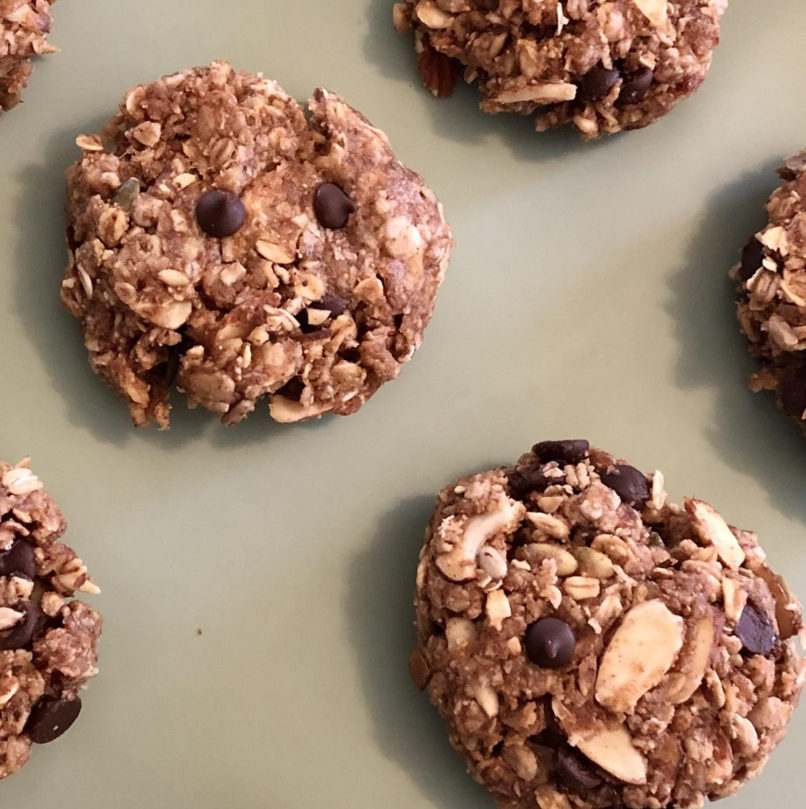
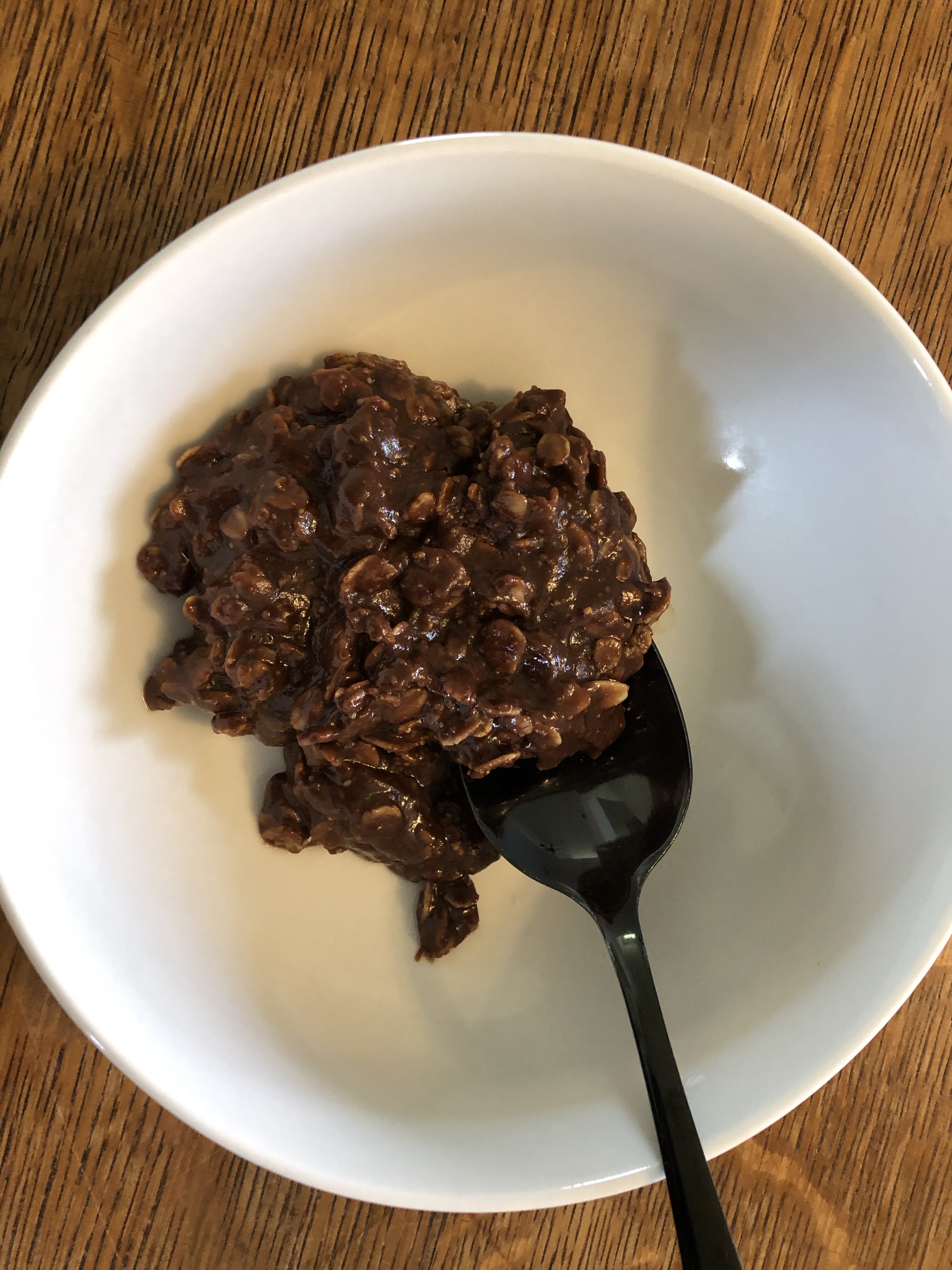
Recipes with Oats:
Bananas
Benefits: Fiber, Potassium, Folate, which is used to make red and white blood cells in the bone marrow, convert carbohydrates into energy, and produce DNA and RNA.
We eat a lot of bananas in this house, either with breakfast or as a mid-morning snack. My son eats them with peanut butter. I like them in smoothies or smoothie bowls. Or just on their own. A sweet treat with so many benefits.
Eggs
Benefits: Protein, Vitamin A, Folate, Vitamins B2, B12 and B5, Selenium, which acts as an antioxidant.
I like my eggs hard boiled, scrambled in a taco, or fried on top of avocado toast. I also like a good frittata every now and again.
Avocados
Benefits: Vitamin K, Folate, Vitamins C, Potassium
Who doesn’t love guacamole? I mean, come on. GUACAMOLE. Also, avocado toast. It’s not just for Millenials anymore.
Strawberries
Benefits: Vitamin C and Manganese
Strawberries generally are a side dish for breakfast around here. But I also like whipping up some coconut cream (from a can) and dipping them. Or making a shortcake and having all three together! Summer is coming and I am craving a strawberry shortcake!
Flaxseed
Benefits: Fiber, Omega-3 Fatty Acids and Antioxidants
Flaxseed can help lower the risk of constipation, diabetes, high cholesterol, heart disease and other conditions, according to a handful of studies published on ScienceDaily.com.
What’s great about flaxseed is you can put it on anything. I put ground flaxseed on my oatmeal, in my Breakfast cookies and in my homemade granola. Sometimes I even add it to cookies or my son’s peanut butter/honey sandwiches. It doesn’t really have a taste, so it’s versatile.
Cinnamon
Benefits: ALL the Anti’s: Anti-viral, Anti-bacterial and Anti-fungal properties, Antioxidants, Anti-inflammatory, also Prebiotics for gut health, Good for digestion
Cinnamon goes in lots of breakfast recipes around here. We also put it in chai lattes sometimes.
Lunch/Dinner Foods
Brussels sprouts
Benefits: Vitamin C, Vitamin K, B6, Iron, Omega-3 Fatty Acids
These are one of my favorite vegetables. I roast these a lot – with bacon! – and they are a great side dish to any meal.
Flavanol-Rich Foods
Flavanol-rich foods and drinks could lead to lower blood pressure, according to a study by the University of Reading.
Some flavanol-rich foods include:
- Apples – we slice ours with a mandolin and call them “apple chips”
- Berries
- Cocoa
- Tea
- Onions
- Kale – Ever just roast it and add salt? Tangy, crunchy goodness.
- Grapes and red wine – RED WINE, people.
- Peaches – We have a peach tree and my husband has been eating “peaches and cream” oatmeal a lot lately.
- Tomatoes
- Lettuce
- Scallions
- Broccoli
Siete Chips
Siete chips are made with five ingredients: Cassava Flour, Avocado Oil, Coconut Flour, Ground Chia Seed, Sea Salt. And that’s it. These chips are fantastic. They are expensive. But they are so good. I eat them allllll the time. With homemade guacamole, or with salsa, or with melted cheese and Greek yogurt (which tastes JUST like sour cream.)
Cassava flour is a good source of vitamin C, thiamine, riboflavin, and niacin.
Fermented Foods
Yogurt, sauerkraut, fermented pickels, kombucha, apple cider vinegar are good options.
We use whole fat Greek yogurt in our house as a sour cream substitute. And believe me, we are BIG fans of sour cream. A friend of mine still tells a story about how when my oldest son was a toddler, we’d go out to dinner and he’d cow down on the sour cream. She’s never seen a kid go at sour cream like that, before or since.
Honestly, there’s really not that much of a difference in taste between FULL FAT WHOLE MILK Greek yogurt and sour cream. I dare you to try it next Taco Tuesday. Once we started trading it out on our tacos and nachos, my 11 YO decided he liked it so much, he started eating it with berries and granola for breakfast. That felt like a big win.
I’m not trying to get down on sour cream here, either. If you love it, you eat it. I’m just pointing out that we found a substitute in a fermented food that can actively help our gut health.
Leafy Green Veg
Benefits: LOTS
This is a broad category, but you know what I’m talking about. My preferences are kale and romaine, but I’ll eat anything, really. I’m not a huge fan of the pepperiness of arugula, but if it’s paired with the right cheese or dressing, I’m all for that one too.
Sunflower Seeds
Benefits: Magnesium, can reduce high blood pressure and inflammation
I love sunflower seeds on a salad. Something about the crunch and the way they hold onto the dressing. I love a Caesar dressing. For years, I struggled with this because I kept reading that it was better to have just vinegar and oil. And sometimes, on a nice summer salad, I do find that refreshing. And certainly better than Ranch or other dressings. But Caesar is my favorite. And if I’m having a salad, I tend to go to this option most often.
Garlic
Benefits: LOTS – can reduce blood pressure, lower cholesterol and combat sickness
Garlic is one of those foods that gets a lot of hype. And for good reason. Some people in the natural health world swallow garlic cloves WHOLE when they start feeling sick, to fight the infection. Some people take garlic pills. But garlic is SO YUMMY, why not just eat it every single day?
Also. I follow a great blogger on a site called Chris Beat Cancer. He’s a research nerd like me and he points to some studies that show garlic kills cancer cells in laboratory studies. Check him out; his information is always great.
Sweet Potatoes
Benefits: fiber for healthy digestion, magnesium to reduce stress and anxiety, anti-inflammatory, Vitamins A, C, and E, potassium
Cauliflower
Benefits: fiber for healthy digestion, antioxidants to protect your cells from free radicals and inflammation, Vitamins C and K, choline to maintain the integrity of cell membranes and helps produce neurotransmitters for a healthy nervous system
Snack Foods
Pistachios
Benefits: Potassium and Vitamin B6, which is important for blood sugar regulation and the formation of hemoglobin, a molecule that carries oxygen in red blood cells.
Pistachios and dark chocolate make a great afternoon snack. Try 1/4 cup of each.
Watermelon
Benefits: Vitamins A, B6 and C, Lycopene, Amino Acids, Antioxidants and Potassium
Watermelons are 92% water, which is why nothing is as refreshing as watermelon when you’ve been outside hiking or at the pool all day.
Pumpkin Seeds
Pumpkin seeds are one of the best natural sources of magnesium, a mineral that’s important for keeping blood pressure in check. They’re also a good source of several other minerals, unsaturated fats, and fiber. For an extra fiber boost, you can eat the whole seeds with the shells intact: toss with a little olive oil, spread on a cookie sheet, and bake at 300° F for 30 to 40 minutes. Per Harvard Medical School.
If you are not roasting the pumpkin seeds from your jackolantern to snack on while watching Practical Magic every year at Halloween, I feel like you are missing one of the true pleasures in life.
Green Cabbage
Benefits: Vitamin C, Vitamin K, Fiber, Anti-Inflammatory, Antioxidant
Cabbage is one of the oldest known vegetables, dating as far back as 4,000 B.C. in China. The relative inexpensiveness and the health benefits earned cabbage the nickname “drug of the poor” during the Middle Ages. It’s high in fiber and water content, which is great for digestion.
Also, Glutamine, an amino acid found in cabbage, is a strong anti-inflammatory agent, helping to reduce joint pain, arthritis, and ease allergies.
Potatoes
Benefits: Flavonoids, Vitamins C, B6, Potassium, Manganese, Magnesium.
Potatoes sometimes get a bad rep. But these lovely french-fry-making root vegetables are full of flavonoids, which have strong antioxidant properties and can reduce oxidative stress (cell damage) in the cardiovascular system. What that means is that potatoes can stabilize free radicals in your body, making them less reactive. If you’re interested in the science of oxidative stress, here’s an informative article.
Spinach
Benefits: Calcium, Manganese, and Vitamin K, which are important for healthy bones. Also a great source of Iron, Antioxidants, Potassium, Vitamin E and Magnesium.
Spinach is nearly all water, so it’s great when you’re feeling sparse of hydration. It’s also a great source of inorganic nitrate, which studies suggest may help prevent heart disease. Potassium and Magnesium are great for lowering blood pressure.
Sourdough Bread
Benefits: Protein, Fiber
The bacteria that helps form sourdough modifies the structure of the bread molecules, helping your body absorb them slower, which lowers the bread’s glycemic index and keeps your insulin levels from spiking like a regular slice of bread would.
Lemons
Benefits: Vitamin C, Potassium, B6
Lemons are a great source of Vitamin C and can help your body absorb iron from your diet, so they are great for anemia. They also provide you with Potassium and B6.
Tahini
Benefits: Healthy fat, antioxidants, phosphorus, manganese
Tahini is a great source of phosphorus and manganese, both of which play vital roles in bone health. It’s also high in thiamine and B6, which are important for energy production. Tahini is a paste made from toasted, ground sesame seeds. Some people use it as a peanut butter replacement. I’ve never found the two to be very similar, but I do love them both.
Spices
Cardamom
Benefits: Antioxidant, Anti-Inflammatory, Diuretic
Cardamom is an ancient spice that has been used for thousands of years for digestion. It was commonly chewed after a meal to freshen the breath and clean the teeth. But it is also a diuretic, which is good for heart health. Some of the most common prescription blood pressure medications are diuretics.
Cloves
Benefits: Antioxidant, Antimicrobial, Manganese
Cloves can support liver health and help stabilize blood sugar levels.
Ginger
Benefits: Antioxidant, Anti-Inflammatory, Arthritis relief
Ginger has a long history of being used for medicinal purposes. It may help reduce oxidative stress and is great at treating nausea. Sometimes pregnant women use it to treat morning sickness. It can also help with the pain of osteoarthritis and can lower your blood sugar.